
Building a Positive Workplace Culture on a Farm: A Practical Guide for Australian Growers
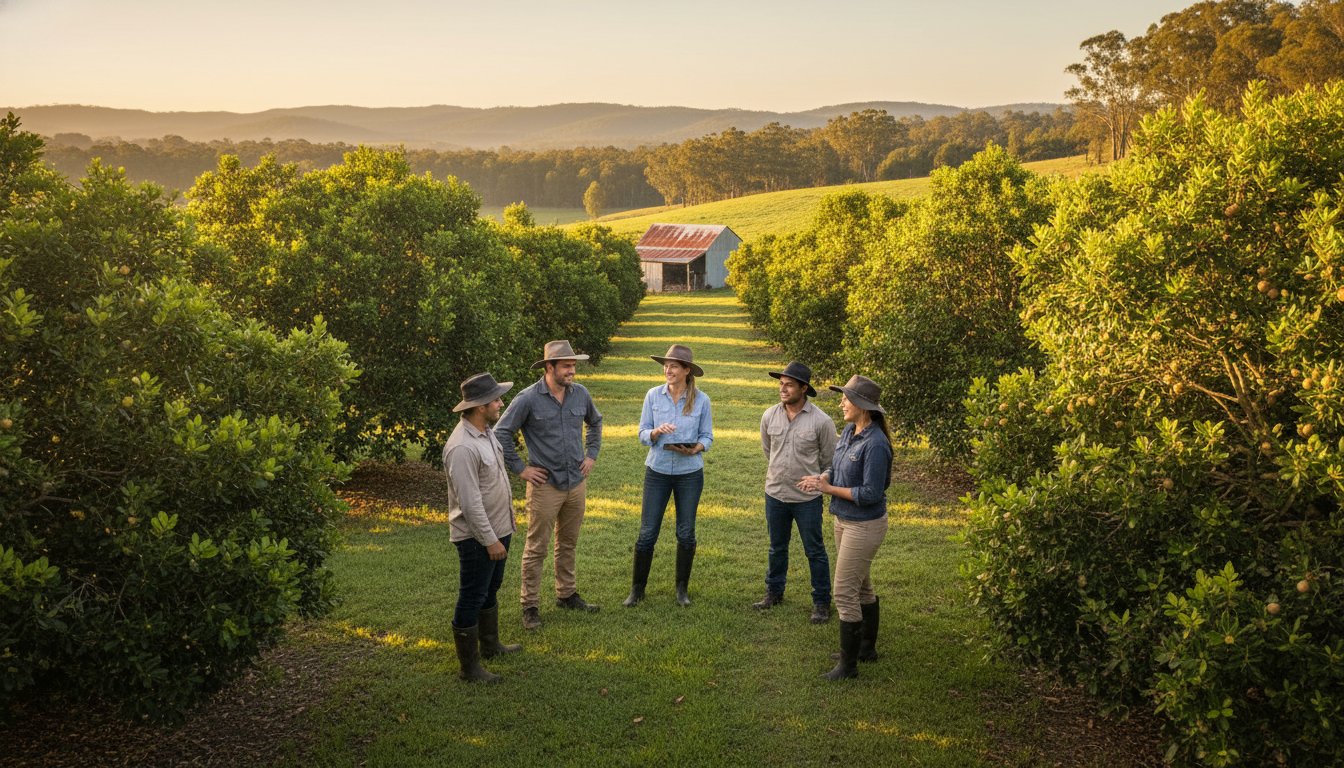
Could the atmosphere in your packing shed or orchard be just as critical to your profit margin as the weather or the quality of your soil? Most Australian growers know the frustration of high worker turnover during a peak harvest or the headache of staying on top of Horticulture Award changes. It's a constant battle to attract skilled supervisors when the local labour market feels tighter than ever. Building a positive workplace culture on a farm is not just a secondary concern; it's a strategic necessity that ensures your operation remains resilient and compliant in an increasingly scrutinised industry.
This guide will show you how to transform your farm's productivity and retention by fostering an ethical, supportive, and high-performing workplace. You'll learn how to move beyond basic compliance to create an environment where seasonal workers feel valued and motivated to return. We'll explore practical steps to help you reduce the risk of legal breaches, protect your reputation in the supply chain, and build a team that truly supports your business goals.
Key Takeaways
- Understand that farm culture is defined by the shared values and daily behaviours that occur even when you aren't watching.
- Discover why leadership by example and organisational integrity are the foundational pillars for building a positive workplace culture on a farm.
- Learn how fostering transparency and open communication can safeguard your business against compliance gaps and formal grievances.
- Identify practical strategies, such as structured inductions and regular Toolbox Talks, to maintain a motivated and reliable seasonal workforce.
- See how accessing specialised HR support and ethical training provides a clear roadmap for long-term productivity and industry leadership.
Defining Farm Culture: More Than Just a 'Fair Go'
Farm culture is the operational DNA of a successful agribusiness. It represents the silent engine of your daily operations, consisting of the shared values and behaviours that determine how work happens when the boss isn't looking. While many growers view culture as an abstract concept, it's actually grounded in the most practical aspects of farm life. It's found in the way a tractor is maintained, the respectful tone of conversation during smoko, and the collective honesty shown when a mistake is made in the packing shed.
Building a positive workplace culture on a farm doesn't mean being "soft" or lowering your standards. On the contrary, a high-performing culture is built on a foundation of clear expectations and mutual respect. When workers understand that their safety and contributions are genuinely valued, they're more likely to uphold the rigorous standards required in modern horticulture. It's about moving beyond the traditional "fair go" and establishing a principled organisational culture where accountability and equity are part of the daily routine.
The Tangible Signs of a Positive Farm Environment
You can see the health of your farm's culture in your data. A thriving environment is marked by low staff turnover and high rates of returning seasonal workers, reducing the time and money spent on constant recruitment. In a positive culture, communication flows freely. Workers feel safe to report safety hazards or payroll errors immediately, allowing you to fix issues before they escalate. There's also a visible sense of pride; when the crew cares about the culture, they care about the quality of the produce being packed for the consumer.
Why 'The Way We Do Things' Matters in 2026
The landscape of Australian agriculture has changed, and the "way we've always done things" may no longer be sufficient. In 2026, consumers and supply chain partners are more focused than ever on how their food is grown and harvested. Ethical transparency is now a commercial requirement. Beyond compliance, there's a direct link between worker morale and picking efficiency. A farm that builds a reputation for a "fair go" culture becomes a magnet for high-quality labour. In a competitive market where skilled supervisors are in high demand, your reputation as an employer of choice is your greatest asset for long-term stability.
Growers who prioritise these values often find that membership for growers provides the necessary framework to formalise these cultural improvements. It's about turning good intentions into a structured system that protects both your workers and your business reputation.
The Pillars of a Productive and Ethical Horticulture Workplace
Building a positive workplace culture on a farm requires more than a set of rules posted on a noticeboard. It demands a foundation of visible leadership and unwavering integrity. When managers and owners model the exact behaviour they expect from their crew, it creates a standard that is felt rather than just followed. This leadership must be paired with organisational integrity; simply put, doing what you say you will do. In an industry where trust can be fragile, fulfilling promises regarding pay and conditions is the most effective way to secure loyalty.
Organisational integrity starts with the pay packet. With the National Minimum Wage increasing to $26.44 per hour from July 2026, ensuring every worker is paid correctly and on time is the ultimate sign of respect. This commitment to fairness acts as a protective barrier for your business. When workers see that their employer is diligent about Horticulture Award compliance, they feel secure. This security allows them to focus on the task at hand rather than worrying about their entitlements.
A safety-first mindset is another essential pillar. This isn't about filling out forms to satisfy a regulator; it's about demonstrating genuine care for the team's well-being. This includes managing psychosocial risks, such as bullying or work-related stress, which are now a major focus of Australian WHS regulations. Effective communication is the final piece of the puzzle. Bridging language barriers common in seasonal workforces ensures that every picker and packer feels heard and understood, reducing the likelihood of errors and accidents on the block.
Visible Leadership on the Block
Supervisors are the primary architects of the daily atmosphere on the farm. Their role goes beyond hitting harvest targets; they set the tone for the entire picking crew. Small, practical gestures often build the most trust. Providing chilled water, ensuring adequate shaded break areas, and training supervisors in soft skills to handle conflict without escalating tension can transform a high-pressure day into a manageable one. When supervisors lead with empathy, the crew is more likely to go the extra mile during a peak harvest.
Connecting Workers to the Farm's Purpose
Work gains meaning when people understand the "why" behind their tasks. Explaining why specific picking or packing standards exist helps seasonal workers see their role in the broader food supply chain. Sharing your farm's history and long-term goals can make a temporary worker feel like a valued part of the family. Recognising harvest milestones, such as the first bin filled or a record-breaking week, builds team spirit and a sense of collective achievement. Growers looking to formalise these leadership practices often find that Fair Farms Online Training offers a structured way to upskill their management team.
Why Culture is Your Best Defence Against Compliance Gaps
Compliance is often treated as a stressful box-ticking exercise that occurs once a year. However, building a positive workplace culture on a farm turns regulatory requirements into a natural, effortless part of your daily business. When transparency is the norm, payroll or record-keeping errors are identified and corrected by the team long before an external auditor ever steps foot on the property. Workers who feel respected and valued are far more likely to raise concerns internally, giving you the chance to resolve issues before they escalate into formal grievances with the Fair Work Ombudsman.
Ethical employment standards, such as those outlined in the Horticulture Award 2020, provide the essential "floor" for any healthy workplace. The most successful growers use these regulations as a starting point rather than a final destination. By exceeding the minimum and prioritising equity, you remove the incentives for the "culture of silence" that often masks deeper operational issues. It is a hard truth that a culture of silence is the biggest risk factor for modern slavery in supply chains. Breaking that silence through a supportive culture is your most powerful risk management tool.
Audit Readiness as a Cultural Habit
Many businesses experience a period of frantic "panic-cleaning" of their records just before an audit. You can avoid this by embedding daily compliance habits into your farm's routine. Digital record-keeping tools empower workers to track their own hours and verify their pay, which builds immediate trust and ensures data accuracy. Implementing regular internal check-ins, aligned with the Fair Farms Certification process, helps maintain these high standards year-round so you are always audit-ready.
Reducing the Risk of Negative Behaviours
A positive culture is your best defence against "labour hire cowboys" and toxic workplace behaviours. By maintaining a zero-tolerance policy for bullying, harassment, and intentional underpayment, you protect your most valuable asset: your people. This proactive approach ensures workers know their rights without feeling like they are in a constant fight with management. Building a positive workplace culture on a farm ultimately safeguards your reputation with major retailers and the public, ensuring your brand remains associated with integrity rather than regulatory breaches.
By partnering with Core Integrity, growers can further strengthen this reputation, building a culture of trust and accountability that protects both their workers and their business interests.

Practical Strategies to Build a Positive Team Environment
Transitioning from theory to practice is where the real work of building a positive workplace culture on a farm begins. It starts with a structured induction process that goes beyond demonstrating the correct picking technique. A truly effective induction sets the standard for how everyone on the property treats one another. By explicitly outlining your expectations regarding respect and communication from day one, you reduce the likelihood of misunderstandings later in the season. This clarity creates a sense of professional security that seasonal workers often find lacking in the industry.
Regular 'Toolbox Talks' are another practical tool for maintaining this momentum. These short, focused meetings keep communication flowing and ensure that safety remains front-of-mind amidst the rush of harvest. It's also vital to create a simple feedback loop where workers feel comfortable suggesting improvements to farm processes. Often, the people on the ground see efficiencies that management might miss. Recognising these contributions and organising social 'thank you' events, such as a BBQ at the end of a major variety harvest, reinforces the idea that every team member is a valued part of the operation's success. For larger celebrations or major corporate milestones, you can check out Fruitbowl Events Agency to see how professional event management can further boost team morale. For your permanent staff, a focus on professional development is equally important. Investing in their growth through specialised training not only improves their skills but also significantly reduces turnover in key supervisory roles.
Onboarding for Success
The first four hours of a worker's time on your farm often dictates their entire experience. A rushed or chaotic start can lead to disengagement and high turnover. You can standardise these early interactions by using Fair Farms Online Training to ensure every new hire receives the same high-quality information. Providing 'Welcome Packs' that explain farm rules, local amenities, and emergency contacts further demonstrates your commitment to their well-being. This methodical approach transforms onboarding from a chore into a strategic advantage for your business.
Effective Communication in the Field
In a diverse seasonal workforce, clear communication is paramount. Using visual aids and translation apps ensures that instructions are understood by everyone, regardless of their first language. The power of the 'Walk and Talk' cannot be overstated; when managers spend time in the rows with the crew, it breaks down barriers and allows for real-time coaching. Establishing clear channels for reporting issues ensures that minor concerns are addressed before they become major problems. To start implementing these strategies today, consider the benefits of Membership for Growers to access tailored resources and support.
How Fair Farms Supports Your Journey to Ethical Excellence
Fair Farms serves as the essential roadmap for growers who are ready to align their internal culture with national ethical standards. Building a positive workplace culture on a farm is a continuous process, and having a structured framework ensures that your good intentions are backed by robust systems. By joining our program, you aren't just ticking a box for a regulator; you're joining a dedicated community of like-minded growers committed to a sustainable and fair future for Australian agriculture. This collective commitment to integrity helps lift the reputation of the entire sector, making it easier for everyone to attract the reliable labour they need.
Our role is to act as a principled mentor, providing the educational resources and professional oversight required to navigate the complexities of modern employment. Membership offers a pathway to transform your farm from a standard operation into a certified leader in ethical practice. This journey moves your business beyond the basic requirements of the law, fostering an environment where accountability and communal progress are part of the daily harvest rhythm.
The Fair Farms Certification Pathway
The certification process acts as a vital health check for your farm's culture, providing an objective evaluation of your management systems. In 2026, the pressure from the supply chain is higher than ever. Major supermarket buyers and retailers now require transparent proof that the produce on their shelves is grown under fair conditions. Being a 'Certified Fair Farm' provides this proof, giving you a significant competitive advantage during contract negotiations. It allows you to move away from seeing compliance as a seasonal burden and instead embrace it as a core part of your commercial strength.
Accessing Expert HR Support
Navigating the Horticulture Award 2020 can be daunting, especially with the 2026 wage increases that see the Level 1 rate rising to $25.74 per hour. These technical details are critical to get right to avoid the risk of unintentional breaches and the heavy penalties associated with new wage theft laws. Fair Farms provides specialised HR support tailored specifically to the unique needs of the horticulture sector. You can utilise our comprehensive resources to create robust workplace policies that protect your business and empower your workers. Ready to lead the way? Contact Fair Farms today to start your membership journey and secure the future of your farm.
Cultivating a Sustainable Future for Your Farm
Investing in your people is the most reliable way to secure the long-term viability of your agribusiness. Building a positive workplace culture on a farm transforms ethical compliance from a regulatory hurdle into a significant commercial advantage. By prioritising transparency, visible leadership, and mutual respect, you create an environment that attracts high-quality labour and protects your reputation across the entire supply chain. This proactive approach ensures your operation remains resilient against the shifting pressures of the horticulture sector.
You don't have to navigate these complex regulatory changes alone. As an industry-led program by Queensland Fruit & Vegetable Growers (QFVG), Fair Farms offers the dedicated HR support and retailer-recognised certification required to lead with confidence. Our structured framework helps you implement robust policies that safeguard your workers and your business interests simultaneously. Become a Fair Farms Member and build a stronger agribusiness today. We look forward to supporting your journey toward a more productive, ethical, and respected farming future.
Frequently Asked Questions
What is the fastest way to improve morale on my farm during a busy harvest?
The fastest way to boost morale is through visible leadership and immediate, practical gestures of appreciation. During a high-pressure harvest, simply being present on the block and providing chilled water or additional shaded break areas can shift the atmosphere. Recognising hard work through a quick "thank you" or a communal BBQ at the end of a variety run provides immediate validation. These actions demonstrate that you value the crew's physical well-being as much as the harvest targets.
How can a small family farm afford to invest in 'workplace culture'?
Culture isn't an expensive corporate program; it's built on the daily behaviours and communication styles within your family operation. Small farms can invest by prioritising clear inductions and respectful "smoko" conversations. These actions cost nothing but time and focus. Building a positive workplace culture on a farm actually saves money by reducing the high costs associated with worker turnover and recruitment. It's an investment in your operation's long-term stability and reputation.
Does a positive culture really help with Horticulture Award compliance?
A positive culture acts as a natural safeguard for Horticulture Award compliance by fostering transparency. When workers feel safe and valued, they are more likely to raise payroll or record-keeping questions directly with you. This allows for internal resolution before issues escalate into formal grievances with regulators. It moves compliance from a stressful annual audit to a daily habit. Workers who trust their employer are less likely to assume that a simple clerical error is an intentional act of wage theft.
What should I do if a supervisor is creating a 'toxic' environment in the crew?
You must address toxic behaviour immediately to prevent it from undermining your entire operation. Start by having a direct, principled conversation with the supervisor to outline the farm's cultural expectations. If the issue is a lack of "soft skills," providing targeted training can help them manage crews without escalating tension. However, if the behaviour persists, you may need to reconsider their role. A single supervisor's actions can quickly destroy the trust you've worked hard to build with your workforce.
How do I communicate my farm's values to seasonal workers who only stay for a few weeks?
Communicating values to short-term staff requires a structured and immediate approach. Your induction process should clearly state not just how to pick, but how everyone is expected to treat each other on your property. Use visual aids and translated "Welcome Packs" to ensure these values bridge any language barriers. Consistent messaging during daily Toolbox Talks reinforces these standards. Even short-term workers should leave your farm with a clear understanding of your commitment to ethical treatment and safety.
Can Fair Farms certification help me attract more workers?
Certification provides a powerful, independent verification of your farm's ethical standards, which is a major drawcard in a competitive labour market. Workers, particularly those under the PALM scheme or working holiday makers, actively seek out employers with a reputation for fairness. Being a "Certified Fair Farm" signals that you are a professional, reliable partner. This reputation spreads through word-of-mouth, often leading to higher rates of returning workers and a more motivated seasonal crew.
What are the first steps to take if my farm culture feels 'stuck' or negative?
The first step is to conduct an honest assessment of your current workplace atmosphere. Ask for anonymous feedback from your permanent staff to identify where the friction points lie. Often, negativity stems from a lack of clear communication or inconsistent leadership. Start by re-establishing clear expectations and holding regular, transparent meetings. Building a positive workplace culture on a farm begins with a commitment to change and a willingness to listen to the people on the ground.
How do I balance being a 'supportive' leader with the need for high productivity?
Being a supportive leader and maintaining high productivity are complementary goals. Support doesn't mean lowering standards; it means providing the tools, training, and environment that allow workers to hit those standards efficiently. When a crew feels respected and safe, their morale and focus increase, leading to better fruit quality and picking speeds. A principled mentor approach ensures that your team understands the "why" behind the targets, which naturally drives a higher level of individual and collective performance.