
How to Manage Underperforming Farm Staff: A Guide for Australian Growers
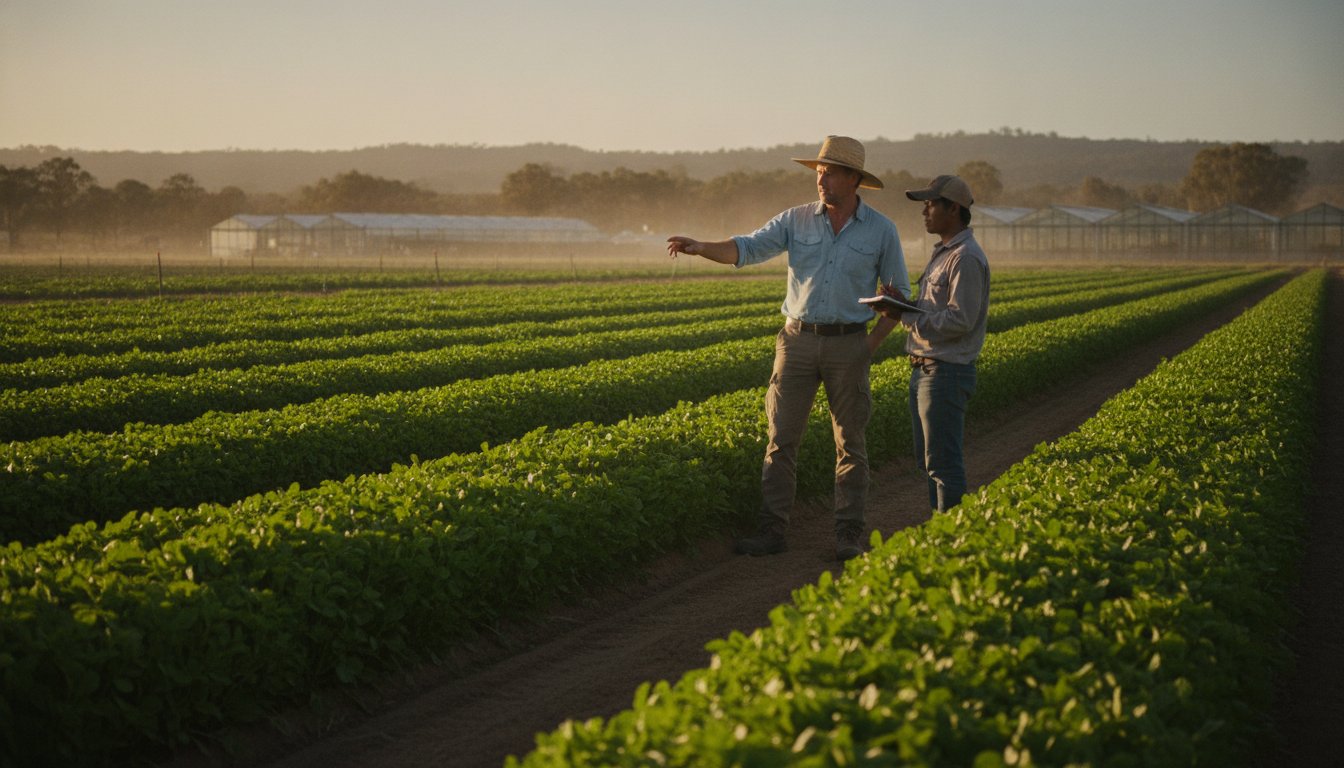
The success of your harvest depends on the hands doing the work, yet many growers find that addressing poor productivity feels like a legal minefield. It's a common frustration; you want to maintain high standards, but the fear of Fair Work disputes or high seasonal turnover often leads to hesitation. Learning how to manage underperforming farm staff isn't just about discipline. It's about building a robust, ethical framework that ensures every worker understands their role and meets the requirements of the Horticulture Award.
You've likely experienced the stress of a team member falling behind during a critical picking window. We understand that you need clear, actionable steps to rectify these issues without compromising your integrity or risking your reputation. This guide provides a principled roadmap for identifying performance gaps and implementing fair solutions. We will walk through the essential steps of documentation, performance improvement plans, and how to align your practices with the Fair Farms Standard Version 4.0. By the end, you'll have the tools to protect your business from legal risks while retaining the high-quality workers who keep your farm moving forward.
Key Takeaways
- Understand the distinction between skill gaps and behavioural issues to ensure you apply the most effective corrective strategies for your team.
- Master how to manage underperforming farm staff while maintaining strict compliance with the Horticulture Award and procedural fairness requirements.
- Implement a structured Performance Improvement Plan (PIP) that uses measurable objectives to guide workers toward meeting farm standards.
- Explore how Fair Farms Online Training and quality-based incentives can re-engage staff and boost productivity during peak harvest periods.
- Discover how Fair Farms membership offers specialised HR support and a principled framework to benchmark your farm's management practices.
Identifying and Understanding Underperformance on the Farm
Managing a farm crew requires a balance of empathy and precision. When a worker fails to meet the specific requirements of their role, it creates a bottleneck that affects the entire supply chain. Underperformance isn't always a sign of a bad worker; often, it's a symptom of a breakdown in communication or training. To understand how to manage underperforming farm staff, you must first look at the root cause rather than just the output. A structured performance appraisal process allows you to step back and evaluate whether the issue is a temporary lapse or a deeper trend. In a horticulture context, underperformance is the persistent failure of a worker to meet the safety, quality, or productivity benchmarks established for their specific commodity or task.
Skill Gaps vs. Behavioural Issues
It's helpful to categorise issues into "can't do" or "won't do" scenarios. A "can't do" situation is a skill gap. Perhaps the worker hasn't been properly shown how to handle delicate stone fruit or doesn't understand the calibration of a specific piece of machinery. Clear, written position descriptions are vital here. They provide a baseline for what "good" looks like and help you assess if a worker has been properly trained for their specific task. On the other hand, a "won't do" issue is behavioural. This might manifest as "quiet quitting," where a team member does the bare minimum, or a poor attitude that sours the mood of the whole picking crew. Identifying these signs early prevents a toxic culture from taking root across your workforce.
The Impact of the Horticulture Environment
Our industry faces unique challenges that don't exist in a standard office. Seasonal pressures during a peak harvest can push even the best workers to their limits. Rural isolation and the physical toll of the sun often affect morale and output. Before assuming a worker is failing, evaluate your farm's infrastructure. Is the equipment well-maintained? Are instructions given in a language the worker understands? Sometimes, what looks like underperformance is actually heat stress or fatigue caused by inadequate rest breaks. Addressing these environmental factors is a core part of ethical leadership. Ignoring these minor deviations leads to a culture of low productivity where "near enough is good enough" becomes the standard. This eventually erodes your bottom line and your reputation as a preferred employer.
Performance Management and the Horticulture Award
Compliance with the Horticulture Award is the foundation of a stable farm business. When you are looking at how to manage underperforming farm staff, your actions must reflect the legal standards set by the Fair Work Commission. This isn't merely about avoiding fines. It's about establishing a culture of accountability that satisfies both the law and the growing ethical expectations of major retailers and supply chain partners. Ethical management ensures your farm remains a viable part of the modern agricultural landscape, meeting the rigorous standards that domestic and international buyers now demand.
Procedural fairness is the cornerstone of avoiding unfair dismissal claims. This involves giving the employee a clear opportunity to respond to concerns and providing them with the support needed to improve. The Fair Work Ombudsman's guide to managing underperformance provides a detailed framework for this process. By following these steps, you demonstrate that your management is principled and transparent. This is vital if a dispute ever reaches Fair Work Australia, as it proves you have acted with integrity and followed a structured, legal path.
Maintaining Ethical Standards During Reviews
Performance discussions are often stressful for both the grower and the worker. Providing critical feedback requires a steady hand and a commitment to ethical employment principles. Workers must be informed of their right to have a support person present and given enough time to prepare for the meeting. To deepen your understanding of these responsibilities, you can explore the Fair Farms Certification pathways, which offer comprehensive training on ethical management practices. This training helps you move from being a rigid enforcer to a supportive partner in your workers' professional development.
Documentation: The Growers Best Defence
A verbal warning that isn't recorded essentially didn't happen in the eyes of the law. Every interaction regarding performance should be documented in a clear, factual written record. This includes the date, the specific performance issue discussed, the worker's response, and the agreed-upon next steps. Detailed documentation is the most effective way to demonstrate how to manage underperforming farm staff fairly and legally. Using digital tools to track this data can improve efficiency, provided you follow data security principles to protect worker privacy. In serious cases where performance doesn't improve, a "show cause" letter is a formal requirement that gives the employee a final chance to explain why their employment should continue.
If you're unsure where your current policies stand, consider becoming a Fair Farms member to access resources that simplify Award compliance and protect your farm's reputation.
The Performance Improvement Plan (PIP) Process
A Performance Improvement Plan (PIP) acts as a structured roadmap designed to restore productivity while upholding ethical standards. Rather than viewing it as a precursor to dismissal, a well-constructed PIP serves as a genuine opportunity for development. It provides the clarity and support a worker needs to succeed. Understanding how to manage underperforming farm staff through this process ensures that every decision is backed by evidence and procedural fairness. This methodical approach protects the business while demonstrating a commitment to the professional growth of the workforce.
The process follows five essential steps:
- Step 1: The Initial Informal Meeting. Start with a low-pressure conversation to discuss performance concerns. This isn't a disciplinary hearing; it's a collaborative session to identify why benchmarks aren't being met.
- Step 2: Clear Objectives and Timeframes. Set specific, measurable goals that the worker must achieve. Establish a realistic timeframe for review, typically ranging from two to four weeks depending on the task.
- Step 3: Support and Resources. Identify any training or equipment gaps. If a worker lacks the technical skill to operate a harvester safely, provide the necessary tuition to bridge that gap.
- Step 4: Regular Monitoring. Don't wait for the final deadline to provide feedback. Schedule weekly check-ins to discuss progress and offer encouragement or further correction.
- Step 5: Final Review. At the end of the period, conduct a formal review. If the objectives are met, the PIP concludes. If not, you have a documented basis for further management action.
Informal Coaching vs. Formal PIPs
Not every mistake requires a formal document. Often, a simple "toolbox talk" or a quick demonstration in the paddock is enough to correct a minor error. However, when a worker repeatedly fails to meet standards despite these informal nudges, it becomes a formal HR matter. Recognising this threshold is critical. Transitioning to a documented plan ensures that expectations are clear and that there is a written record of the support you've provided.
Setting SMART Goals for Farm Staff
Effective goals must be Specific, Measurable, Achievable, Relevant, and Time-bound. Vague instructions like "work faster" are unhelpful and difficult to track. Instead, use concrete data. A specific goal would be "pick 10 bins of apples per day with less than 2% bruising." This is measurable through your daily harvest logs and achievable if the crop load allows. Using performance data ensures the process remains objective and fair, which is a core principle in how to manage underperforming farm staff with integrity.

Practical Strategies to Re-engage and Motivate Staff
Underperformance often stems from a lack of engagement rather than a lack of ability. When a worker feels disconnected from the farm's goals, their output naturally declines. Addressing this requires a shift from a purely disciplinary mindset to one of mentorship and support. If you're looking at how to manage underperforming farm staff effectively, re-engagement should be your first priority. This approach not only recovers lost productivity but also fosters a loyal workforce that is more likely to return for future seasons.
Implementing incentive schemes that reward quality, rather than just speed, is a powerful motivator. In a piece-rate environment, workers often rush, which leads to bruising or waste. By introducing bonuses for "A-grade" yield or perfect attendance, you align the worker's personal gain with the farm's profitability. Supervisors should act as mentors who guide staff toward these rewards, rather than enforcers who only point out mistakes. This shift in communication ensures that feedback is received as a tool for success rather than a reprimand.
Training as a Management Tool
Upskilling a worker can resolve performance issues that are actually rooted in a lack of confidence. When a team member feels competent in their role, their morale improves. Cross-training staff across different areas of the farm, such as moving from picking to packing or tractor operation, can also reduce the boredom and seasonal fatigue that often leads to a drop in standards. Training significantly reduces the financial burden of the business because retaining a skilled worker is far less expensive than the high cost of recruiting and onboarding new seasonal labour. You can provide your team with these essential skills through Fair Farms Online Training, which is designed specifically for the horticulture sector.
Building a Positive Farm Culture
A supportive work environment is directly linked to individual productivity. During the high-pressure weeks of harvest, maintaining morale is vital. Celebrating small wins, such as reaching a daily tally or completing a difficult block ahead of schedule, helps the crew feel valued. Regular team briefings ensure everyone is aligned with the farm's objectives and understands the reason behind specific instructions. This transparency builds trust and accountability. When workers feel they are part of a principled community, they are more likely to take pride in their work and meet the high standards you've set.
To start building a more motivated and compliant workforce today, sign up for a Fair Farms Membership and access our full suite of training resources and HR support.
How Fair Farms Membership Simplifies Staff Management
Managing a farm workforce involves more than just oversight; it requires a deep understanding of evolving legal and ethical standards. While the previous sections outlined the technicalities of how to manage underperforming farm staff, implementing these processes consistently can be a significant administrative burden for a busy grower. Fair Farms membership provides the structural support needed to transform these challenges into opportunities for farm improvement. By aligning your operations with a recognised industry standard, you move beyond reactive management and begin to lead with quiet confidence and principled authority.
Expert HR Support for Growers
One of the most immediate benefits for Fair Farms Members is access to specialised HR support tailored specifically for the Australian horticulture sector. Workplace relations are rarely straightforward, especially when dealing with the nuances of the Horticulture Award or the complexities of seasonal labour hire. Our members receive guidance that helps reduce the risk of costly legal errors while ensuring that performance tracking remains transparent and fair. This industry-led support provides the peace of mind that comes from knowing your management actions are both compliant and ethical. It allows you to focus on the harvest while we help you maintain the integrity of your employment practices and reduce the time spent on complex paperwork.
Securing Your Reputation in the Supply Chain
In the modern agricultural market, your reputation is as valuable as your produce. Major retailers increasingly prefer, and often require, growers to demonstrate robust systems for managing their workforce. Proving that you know how to manage underperforming farm staff through a documented, ethical framework is a powerful competitive advantage. Fair Farms Certification serves as a clear signal to your supply chain partners that you prioritise fair treatment and accountability. This transparency is vital for maintaining long-term contracts and building trust with consumers who value ethical sourcing.
This certification process allows you to benchmark your management practices against the best in the industry. It ensures that your farm isn't just meeting the bare minimum legal requirements but is actively contributing to the communal progress of the sector. By joining this community of principled employers, you protect your market access and build a resilient business that attracts high-quality workers year after year. If you are ready to strengthen your farm’s management systems and ensure your team is performing at its best, contact Fair Farms today to bolster your farm’s HR and begin your journey toward ethical leadership.
Cultivating a Productive and Compliant Workforce
Mastering how to manage underperforming farm staff is a journey that moves from initial identification to structured support and ethical resolution. By distinguishing between skill gaps and behavioural issues, you can apply the right tools; whether that is informal coaching or a formal Performance Improvement Plan. Adhering to the Horticulture Award and maintaining clear documentation ensures your farm remains protected against legal risks while upholding the high standards expected by the modern supply chain.
You don't have to navigate these complex workplace relations alone. As an industry-led initiative by Queensland Fruit & Vegetable Growers, Fair Farms provides the specialised HR support and training needed to simplify compliance. Our framework is recognised by major Australian retailers, giving you the peace of mind that your ethical labour management meets the highest benchmarks. This steady, principled approach to management transforms your workplace culture and secures your standing in the industry.
Become a Fair Farms Member today to access expert HR support and protect your farm. Taking these proactive steps today ensures a more resilient, motivated, and successful farm for every harvest to come.
Frequently Asked Questions
Can I fire a farm worker immediately for poor performance?
No, you cannot typically dismiss an employee immediately for underperformance without risking an unfair dismissal claim. Procedural fairness requires that you identify the issue, provide a clear warning, and give the worker a genuine opportunity to improve. Immediate dismissal is generally reserved for serious misconduct, such as theft or violence. For performance issues, you must follow a structured process that aligns with the Small Business Fair Dismissal Code if you have fewer than 15 employees.
How much warning must I give a worker before starting a formal PIP?
There is no legislated minimum warning period before a Performance Improvement Plan (PIP) begins, but you must provide reasonable notice for a performance meeting. This allows the worker to arrange for a support person if they wish. It's best practice to have at least one informal coaching conversation before moving to a formal PIP. This ensures the worker isn't caught off guard and demonstrates that you are acting as a supportive partner in their professional development.
Does the Horticulture Award require me to provide training to underperforming staff?
While the Horticulture Award doesn't contain a specific clause mandating training for underperformance, it does require you to follow fair industrial practices. If a worker fails a task because they haven't been shown how to do it, a tribunal would likely view a dismissal as unfair. Providing targeted training is a principled way to bridge skill gaps and is a core part of how to manage underperforming farm staff while maintaining ethical standards.
What is the difference between underperformance and serious misconduct?
Underperformance refers to a worker failing to meet the required standards of their role, such as picking too slowly or poor packing quality. Serious misconduct is much more severe and includes actions like theft, fraud, violence, or serious breaches of health and safety. While underperformance requires a warning and improvement period, serious misconduct may justify immediate dismissal without notice, provided a fair investigation is conducted and the worker is given a chance to respond to the allegations.
How do I manage underperformance in seasonal workers who are only here for a few weeks?
Managing short-term seasonal staff requires a more condensed version of the standard performance process. You should provide immediate, documented feedback as soon as a productivity or quality issue is spotted. Because the window for improvement is narrow, daily check-ins are more effective than weekly ones. Even for short-term workers, you must still provide a fair opportunity to meet the benchmarks before deciding to end their employment early to avoid potential legal disputes.
Can underperformance be linked to mental health issues on the farm?
Yes, poor performance is often a symptom of underlying issues like heat stress, rural isolation, or mental health struggles. As a principled mentor, it's important to ask if there are external factors affecting a worker's output during your initial meeting. If a worker is struggling with their wellbeing, your role is to provide reasonable support or referrals. Addressing the root cause of the distress can often restore productivity more effectively than a standard disciplinary approach.
Do I need to have a witness present during performance meetings?
While not legally mandatory in every instance, having a witness or a management representative present is highly recommended for all formal performance meetings. This ensures there is a clear, objective record of what was discussed and agreed upon. You must also allow the employee to bring a support person of their choice. This transparency protects both parties and ensures that the process of how to manage underperforming farm staff remains fair and beyond reproach.
How does Fair Farms certification help with staff management?
Fair Farms certification provides a comprehensive framework that simplifies the complexities of Australian workplace law. It guides you through creating the necessary policies, training programs, and documentation systems needed to manage a workforce ethically. By participating in the program, you gain access to tools that benchmark your practices against industry standards. This not only improves individual performance management but also proves to your supply chain partners that you are a reliable and compliant employer.