
Supporting Employee Mental Health in Agriculture: A Guide for Australian Growers
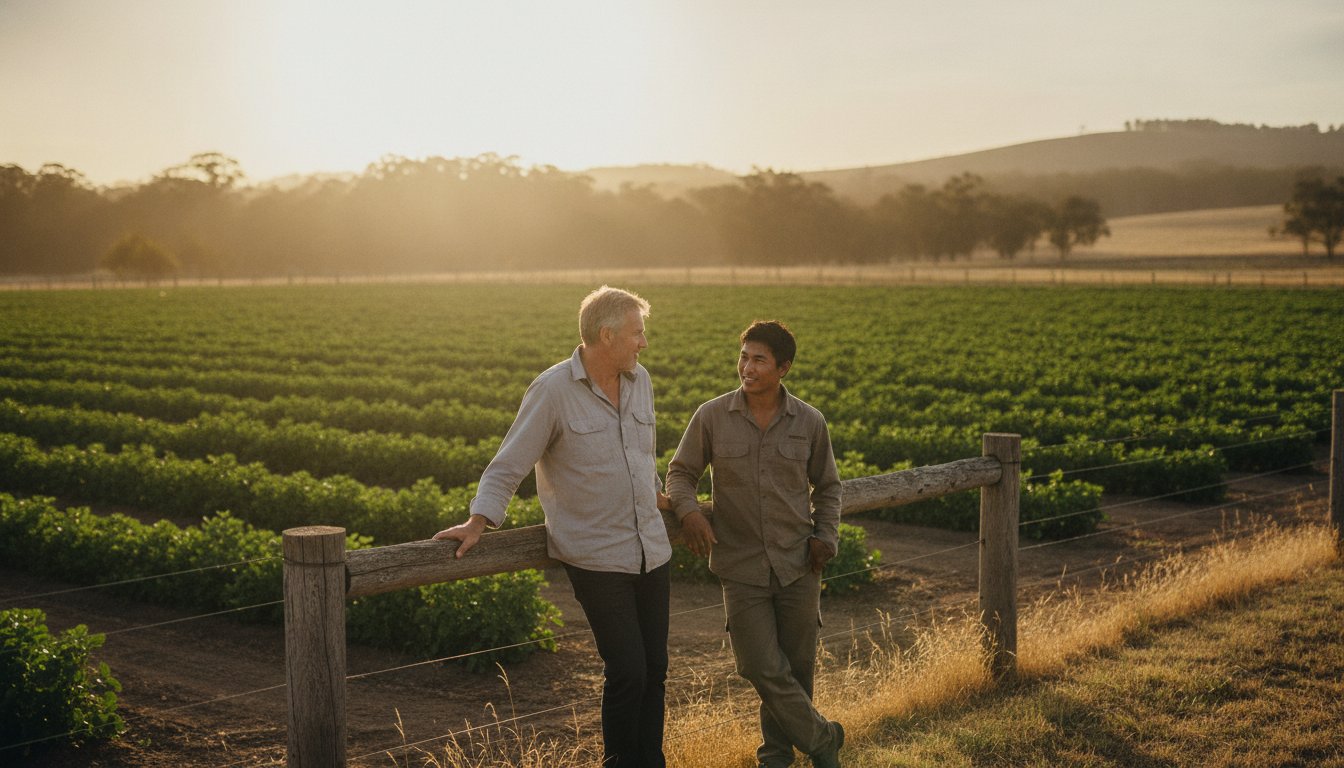
When a 2025 survey revealed that 22% of Australian farmers reported a decline in their mental health over just twelve months, it sent a clear signal to the entire industry. For growers, supporting employee mental health in agriculture is no longer just a moral choice or a quiet conversation behind the shed. It is a core legal responsibility under Work Health and Safety regulations that were updated in April 2023, requiring every farm business to manage psychosocial risks with the same rigour as physical safety.
You probably already feel the pressure of these shifting standards, particularly when harvest windows tighten or market unpredictability weighs on your team's spirits. It's a lot to manage on top of daily operations, especially in remote areas where isolation is a constant factor. This guide will help you bridge the gap between compliance and genuine care. You'll learn how to foster a supportive workplace culture through simple, low-cost strategies that protect both your people and your farm's productivity. We will also outline your specific psychosocial duties to ensure your business meets the highest ethical employment standards and remains a leader in the sector.
Key Takeaways
- Identify the specific stressors unique to Australian horticulture, such as the emotional "boom and bust" of harvest cycles and the impact of rural isolation on your workforce.
- Clarify your legal duties as a PCBU to ensure you are meeting modern WHS requirements for supporting employee mental health in agriculture.
- Discover practical communication strategies that reduce worker anxiety and improve task clarity for both permanent staff and seasonal labour hire.
- Build a resilient workplace culture that moves beyond the "tough it out" stigma to improve staff retention and overall farm safety.
- Learn how Fair Farms membership and certification can provide the HR support needed to manage complex psychosocial risks effectively.
The Unique Pressures of Australian Horticulture on Mental Wellbeing
Australian horticulture operates on a high-stakes emotional cycle. The "boom" of a successful harvest brings immense satisfaction, but it's often preceded by months of "bust" anxiety. Growers face a unique cocktail of pressures, from the unpredictability of the weather to the volatility of market prices. These factors aren't just business risks; they are primary psychosocial stressors that impact everyone on the farm. Supporting employee mental health in agriculture requires acknowledging that these environmental and financial pressures directly influence staff morale and decision-making.
Research indicates that financial strain (36%) and climate uncertainty (33%) are the leading causes of mental health decline in our farming communities. When these external factors collide with the physical demands of the job, the risk to Agricultural safety and health increases. A stressed or fatigued worker is more prone to accidents and less likely to stay for the next season. By prioritising wellbeing, you aren't just doing the right thing. You're protecting your farm’s productivity and reducing the high costs associated with staff turnover.
Harvest Pressure and the 'Always On' Mentality
During peak windows, the "always on" mentality can become an unspoken standard. This 24/7 approach is often necessary to get the crop off, but it carries a heavy price for your team. Fatigue management is a critical part of supporting employee mental health in agriculture. Supervisors should watch for early signs of burnout, such as persistent irritability, a drop in work quality, or withdrawal from team interactions. Maintaining morale when equipment fails or weather turns requires clear, calm leadership and a commitment to scheduled breaks, even during the busiest weeks. A short, planned rest is always more productive than an unplanned breakdown.
The Social Cost of Rural and Remote Work
Rural isolation remains a significant hurdle for both local staff and those visiting from overseas. For migrant workers or seasonal staff away from their families, the "loneliness of the long-haul" can be overwhelming. Rural areas often have 30% fewer mental health providers per capita than cities, making it harder for staff to access professional help when they need it most. Building a sense of community on-site helps combat this isolation. Consider these simple steps:
- Organise shared meals to encourage social connection outside of work tasks.
- Provide reliable internet access so workers can stay in touch with their support networks at home.
- Facilitate transport to local towns or community events to reduce the feeling of being "trapped" on-site.
Creating a supportive environment turns a remote work site into a place where people feel seen and valued. This communal approach is essential for maintaining a stable, reliable workforce in the regional landscape.
Understanding Psychosocial Hazards and Your Legal Duties
Managing psychosocial safety on farms is no longer an optional extra for Australian growers. Since April 2023, amendments to the Work Health and Safety Regulations have formalised the requirement for employers to manage psychological risks with the same level of rigour as physical hazards. As a Person Conducting a Business or Undertaking (PCBU), you have a primary duty of care to ensure that your work environment does not cause psychological harm. This means you must eliminate or, if that isn't possible, minimise psychosocial risks so far as is reasonably practicable.
Failing to meet these obligations carries significant weight. Beyond the threat of regulatory action or fines, unmanaged stress leads to tangible business losses. High staff turnover, increased absenteeism, and a higher frequency of workplace accidents are often symptoms of a poor psychological safety environment. Supporting employee mental health in agriculture is therefore a dual investment. It protects your people from harm while safeguarding the operational continuity of your farm.
Identifying Common Hazards on the Farm
Psychosocial hazards are often baked into the way farm work is organised. High job demands are the most frequent culprit, particularly the long hours and intense time pressures that define harvest periods. Low job control also plays a role. When workers feel they have no say in how they manage their tasks or when they are at the mercy of unpredictable weather and market shifts, stress levels climb. Poor support is another critical hazard. This often manifests as inadequate training for new seasonal staff or a lack of clear instructions in the packing shed, leaving workers feeling confused and undervalued.
Risk Management: A Practical Approach for Growers
You don't need to be a clinical expert to manage these risks. A practical psychosocial risk assessment starts with simple observation and consultation. Talk to your team about what makes their jobs difficult. Are the rosters causing excessive fatigue? Is the communication between supervisors and labour hire clear? Once you identify a stressor, implement control measures that fit the farm environment. This might include rotating repetitive tasks to reduce boredom and fatigue, or establishing a clear "open door" policy for reporting concerns.
Navigating these regulatory expectations while managing a busy farm is a complex task. Accessing specialised HR support for growers can help you translate these legal duties into simple, effective workplace policies that protect your team. By taking a methodical approach to risk, you move from being a reactive manager to a proactive leader who values ethical standards and communal progress.

Moving Beyond Stigma: Building a Mentally Healthy Farm Culture
For generations, the "tough it out" mentality has been a defining characteristic of regional life. While resilience is a strength, the expectation to suppress distress is a significant barrier to supporting employee mental health in agriculture. When workers feel they must hide their struggles to maintain a professional image, the risk of burnout and workplace accidents increases. Building a mentally healthy culture isn't about being "soft"; it's about being smart and sustainable. It acknowledges that a farmer's mind is their most valuable piece of equipment.
Leadership from the top is the most powerful tool for cultural change. When a farm owner or manager speaks openly about the pressures of the season, it gives the rest of the team permission to do the same. This open dialogue creates a stronger business case for staff retention. Workers who feel supported are far less likely to quit during a high-pressure harvest window. A supportive culture acts as a vital buffer against the high rates of depression and anxiety reported in recent national wellbeing surveys. It turns your farm into a place where people want to work, rather than a place they want to escape.
Normalising Help-Seeking Behaviours
Cultural change requires practical systems. Training your supervisors to recognise early warning signs, such as a sudden change in a worker's punctuality or a lack of interest in social activities, is a vital first step. Beyond observation, you should provide your team with direct paths to mental health support services. You don't have to be a counsellor yourself; you just need to be the bridge to professional help. Integrating mental health updates into regular "toolbox talks" ensures that wellbeing is viewed as just another part of the farm's safety checks.
Creating a 'Fair Go' Environment
A "fair go" is a foundational Australian value that translates directly into workplace safety. There is an undeniable link between ethical treatment and mental health. When workers are paid correctly, treated with respect, and protected from bullying, their psychological risk drops significantly. In a diverse farm crew, this means setting zero-tolerance standards for harassment and ensuring every worker feels included. Psychological safety on a farm is the shared belief that team members can speak up about mistakes, concerns, or mental health struggles without fear of humiliation or professional reprisal. By fostering this environment, you ensure your farm remains a preferred place of work in a competitive labour market.
Practical Strategies for Supporting Seasonal and Permanent Staff
Effective management in horticulture requires a nuanced approach to different worker cohorts. While permanent staff provide the backbone of your operations, they often carry the weight of long-term responsibility, making them susceptible to slow-burning burnout. Conversely, seasonal and labour hire workers face the sharp pressure of high-intensity harvest windows, often while navigating unfamiliar environments. Supporting employee mental health in agriculture involves recognising these distinct needs and creating systems that provide clarity for everyone on the farm.
Communication is your most effective tool for reducing anxiety in the field. Confusion over tasks or shifting priorities is a major source of workplace stress. By providing clear, written instructions and daily briefings, you eliminate the guesswork that leads to frustration. Proper inductions are also vital. A thorough induction should go beyond physical safety to include expectations around workplace culture and how to report concerns. When workers know exactly what is expected of them and where to go for help, their mental load is significantly reduced. This clarity is particularly important as the season reaches its peak and the 'off-boarding' of staff begins, which can be a period of uncertainty for many.
Supporting Your Seasonal Workforce
Migrant workers often face additional stressors, including language barriers and the emotional toll of being far from home. Safe, comfortable on-farm accommodation is not just a logistical necessity; it is a fundamental factor in worker wellbeing. A clean, private space to rest allows for genuine recovery after a long shift. Additionally, providing clear information on Fair Work standards and pay rates helps reduce financial anxiety, which is a primary stressor in regional communities. Ensuring your team understands their rights builds the trust necessary for a productive harvest.
Specific Guidance for Labour Hire Providers
Supporting employee mental health in agriculture is a shared responsibility between labour hire firms and host growers. It's essential to maintain regular contact with workers placed on remote sites to ensure they don't feel forgotten. A robust incident reporting system must be in place, specifically allowing for the reporting of psychological concerns alongside physical injuries. This cooperative approach ensures that no worker falls through the gaps, regardless of their employment type. To formalise these standards and access tailored resources, consider exploring Membership for Growers or labour hire providers to strengthen your business's ethical framework and protect your workforce.
How Fair Farms Membership Supports Ethical HR and Worker Wellbeing
Supporting employee mental health in agriculture is not a standalone task. It's a fundamental part of being a responsible and ethical employer. The Fair Farms program provides the practical framework you need to integrate these responsibilities into your daily operations. By participating in Fair Farms Certification, you align your farm with industry-leading standards that prioritise worker wellbeing alongside fair pay and safety. This structured approach ensures that supporting employee mental health in agriculture isn't just a reactive measure but a core component of your farm's business model.
Accessing specialised HR support for growers is a primary benefit of membership. When complex situations arise, such as managing a worker's return to work after a period of ill health or addressing interpersonal conflict in a remote crew, having professional guidance is invaluable. Fair Farms Online Training further supports this by educating supervisors on ethical standards and effective communication. These tools empower your leadership team to handle psychosocial risks with confidence and integrity, ensuring that every participant in the supply chain is treated with the respect they deserve.
Beyond the farm gate, your commitment to worker wellbeing has significant commercial value. Major Australian retailers now expect high levels of transparency and accountability throughout their supply chains. A Fair Farms Certification serves as a trusted, third-party signal that your farm is a safe and supportive workplace. It proves you are a reliable partner invested in the reputation of the entire sector. This ethical standing helps protect your market access and builds long-term trust with consumers who care deeply about how their food is produced.
The Fair Farms Certification Advantage
The certification process acts as a comprehensive health check for your farm's management systems. It helps identify critical gaps in your HR and WHS protocols that might otherwise go unnoticed until a crisis occurs. By addressing these gaps, you build a more resilient business that is naturally better at attracting and retaining quality workers. You can explore the various Fair Farms certification pathways to find the best fit for your specific operation and start your journey toward formal recognition.
Joining a Community of Ethical Growers
Membership offers more than just a certificate; it connects you with a network of like-minded professionals facing similar regional challenges. The benefits of Fair Farms membership include access to a suite of templates and resources that simplify the path to compliance. Instead of reinventing the wheel, you can use proven tools to manage your team effectively and stay updated on the latest industry standards. Take the next step in your journey toward industry leadership and Contact Fair Farms to discuss your farm's unique needs today.
Cultivating a Resilient Future for Australian Horticulture
Prioritising the psychological wellbeing of your team is a strategic investment in the longevity of your farm. By recognising the unique stressors of the harvest cycle and meeting your legal duties as a PCBU, you move beyond mere compliance to build a truly sustainable workforce. Practical steps like clear communication and fostering social connection turn a high-pressure environment into a supportive one where both permanent and seasonal staff can thrive. It's about ensuring every person on your property feels valued and safe.
Supporting employee mental health in agriculture is a shared journey that benefits from structured guidance and industry-wide collaboration. As an industry-led initiative supported by QFVG, Fair Farms offers a recognised ethical standard that is highly valued by major Australian retailers. Our comprehensive HR and compliance training modules are designed to simplify your regulatory journey while fostering a culture of integrity and accountability.
Ready to lead with integrity? Become a Fair Farms Member today and access the HR support your farm deserves. Taking this step ensures your business remains a preferred employer in a competitive market while protecting the health and safety of your most valuable asset.
Frequently Asked Questions
What are my legal obligations for employee mental health on an Australian farm?
You are legally required to manage psychosocial hazards under Work Health and Safety laws that were updated in April 2023. As a Person Conducting a Business or Undertaking (PCBU), your duty is to eliminate or minimise risks to psychological health just as you would for physical safety. This involves identifying stressors like excessive workloads or poor workplace relationships and implementing practical control measures to mitigate them.
How can I tell if a farm worker is struggling with their mental health?
Look for noticeable changes in a worker's typical behaviour, such as increased irritability, withdrawal from the team, or a sudden drop in work quality. You might also notice signs of fatigue, persistent lateness, or an unusual lack of focus during tasks. Supporting employee mental health in agriculture starts with these observations. If you spot these signs, start a private, non-judgmental conversation to offer support.
What is a psychosocial risk assessment and do I really need one?
A psychosocial risk assessment is a formal process of identifying workplace factors that could cause psychological harm and determining how to manage them. You certainly need one; it is a legal requirement for Australian farm businesses. It helps you move beyond guesswork by documenting hazards like harvest pressure or rural isolation. This assessment provides a clear roadmap for implementing practical controls that protect your staff and your business.
Can Fair Farms certification help improve my workplace culture?
Yes, Fair Farms certification provides a structured pathway to improve your workplace culture by embedding ethical HR practices into your daily operations. It helps you identify gaps in your current systems and provides the training needed to foster a "fair go" environment. By meeting these standards, you demonstrate a genuine commitment to worker wellbeing, which makes your farm a more attractive place for high-quality staff to work.
How do I support the mental health of seasonal workers who don't speak English well?
Use translated resources and visual aids to ensure safety and wellbeing information is accessible to everyone, regardless of their English proficiency. Engaging with community leaders or using bilingual supervisors can also bridge the communication gap. Supporting employee mental health in agriculture requires creating an inclusive environment where migrant workers feel socially connected. Simple gestures like celebrating diverse cultural holidays can significantly improve morale and reduce feelings of isolation.
What should I do if a worker has a mental health crisis on the farm?
Your immediate priority is the safety of the individual and those around them. Follow your farm's emergency response plan and contact professional support services like Lifeline or emergency services if there is an immediate risk of harm. Once the crisis is managed, ensure you provide ongoing support to the affected worker and the rest of the team who may have been impacted by the event.
Are there low-cost ways to support staff wellbeing during harvest?
Simple strategies like organising shared team lunches or ensuring workers have reliable internet access to call home can make a massive difference. Providing clear, daily briefings reduces the anxiety caused by task uncertainty during high-pressure periods. Encouraging regular, short breaks and ensuring the packing shed or paddock has adequate shade and cool water are also low-cost ways to manage fatigue and maintain team morale.
How does the Horticulture Award relate to worker mental health?
The Horticulture Award sets the baseline for fair pay, rest breaks, and overtime, all of which are directly linked to mental health. Financial security is a primary driver of wellbeing, so ensuring workers are paid correctly and on time reduces significant stress. Adhering to mandated rest periods helps manage the fatigue that often leads to burnout and psychological distress during the peak harvest season.