
Ethical Sourcing Certification for Australian Farms: The Complete 2026 Guide
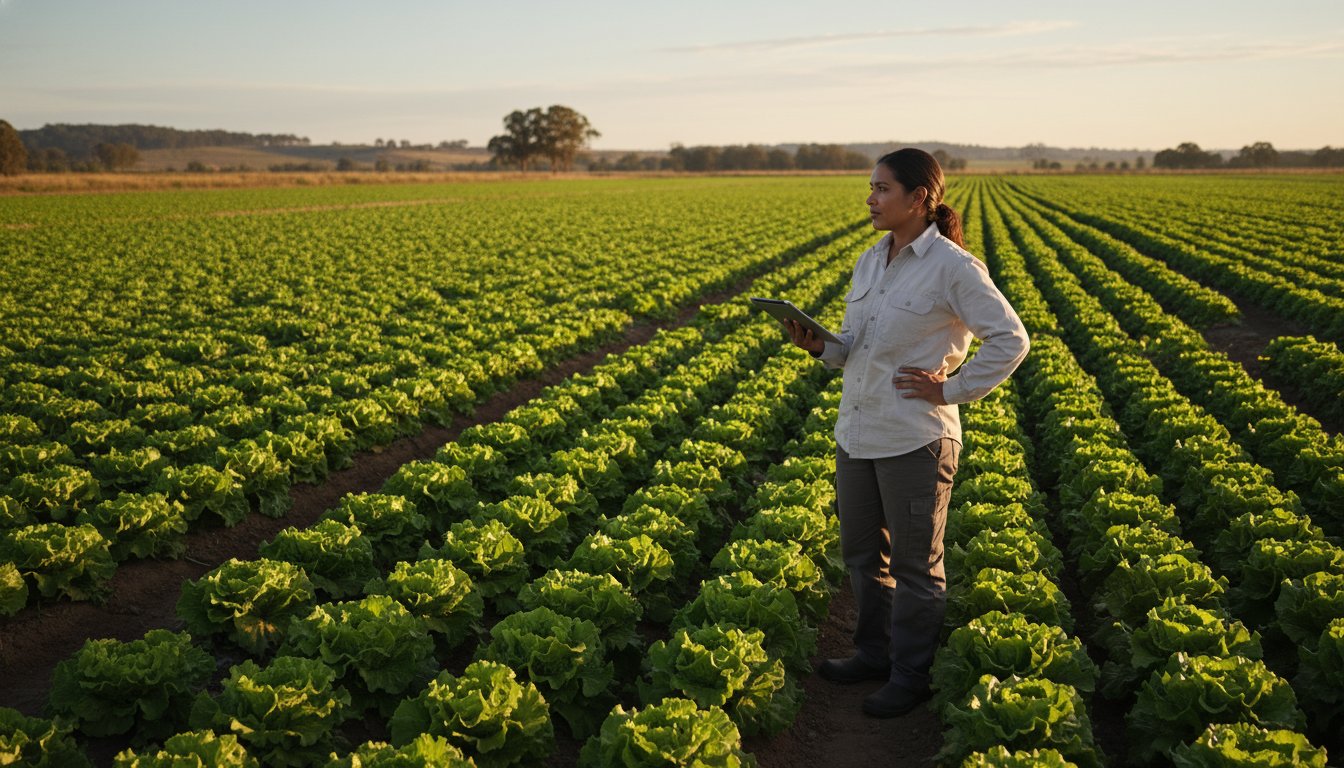
With intentional wage underpayment now carrying criminal penalties of up to A$8.25 million for companies, the cost of "getting it wrong" has never been higher for Australian growers. You’ve likely felt the pressure of managing complex Horticulture Award rates while worrying about the looming risk of a Fair Work Ombudsman audit. It's a heavy burden to carry when you're also trying to run a productive farm. Obtaining an ethical sourcing certification for Australian farms is no longer just a "nice to have" badge; it's your essential social license to operate in a market where major retailers like Coles and Woolworths demand absolute transparency.
We understand that the maze of auditing standards and new regulations, such as the Payday Superannuation changes starting 1 July 2026, can feel overwhelming. This guide is designed to simplify that journey, helping you master the complexities of social compliance and secure your supply chain access with confidence. We will walk through the Fair Farms Standard Version 3.0, explain how to streamline your HR processes, and show you exactly how to transform compliance from an administrative headache into a powerful tool for securing long-term retail contracts.
Key Takeaways
- Learn how to secure your market access by meeting the mandatory ethical standards now required by major Australian retailers like Coles and Woolworths.
- Compare industry-led programs against global standards to choose the right ethical sourcing certification for Australian farms that fits your specific operational needs.
- Follow the 6-step certification pathway and use the Online Self-Assessment to proactively identify and bridge compliance gaps before they become liabilities.
- Strengthen your farm's HR and record-keeping systems to protect against the increasing risks of Fair Work Ombudsman audits and criminal wage theft penalties.
- Discover how to foster fair and responsible employment practices that build a more resilient, compliant, and attractive workplace for your team.
Why Ethical Sourcing Certification is Essential for Australian Horticulture
In Australia, the concept of a "fair go" is the backbone of our agricultural identity. By 2026, this cultural value has evolved into a formalised expectation within the global marketplace. An ethical sourcing certification for Australian farms provides the objective evidence that your business treats its workforce with dignity and respect. While these programs were once seen as a point of difference, they've now become an essential requirement for growers wishing to supply major retailers like Coles, Woolworths, and Aldi.
The shift toward mandatory compliance is driven largely by the Modern Slavery Act 2018. While the Act directly targets large entities with annual consolidated revenue of at least A$100 million, the reporting requirements have a ripple effect. Major supermarkets must now account for the ethical health of their entire supply chain. If you can't provide verified proof of your employment practices, you risk being excluded from lucrative contracts. Certification protects your farm's reputation and significantly reduces legal liability by ensuring your systems are transparent and auditable.
The "Social License to Operate" in 2026
Consumer expectations have shifted. Shoppers now demand "clean and fair" produce, and they're willing to move away from brands that cannot prove their ethical credentials. Maintaining a social license to operate requires more than just meeting minimum legal standards; it requires active transparency. By integrating Sustainable Sourcing Principles into your daily operations, you build trust with buyers and the public alike. Social compliance is the formal verification that a farm provides fair wages, maintains a safe workplace, and upholds the fundamental rights of its workers.
Legislative Pressures and the Fair Work Act
The legislative environment for Australian growers is increasingly rigorous. The Fair Work Ombudsman has made it clear that the horticulture sector remains a priority for enforcement, especially regarding the Horticulture Award. Certification acts as a roadmap for growers to navigate these complex pay rates and record-keeping duties. It also provides a framework for "due diligence" when hiring through third parties. Since labour hire providers were linked to 68% of non-compliance cases in 2025, having a structured pathway like the Fair Farms Pathways is vital. It ensures you aren't held responsible for the failings of others in your supply chain.
Comparing Ethical Certification Standards for Growers
Choosing an ethical sourcing certification for Australian farms involves looking beyond simple checklists. Generic global standards or broad international frameworks offer a general approach to social responsibility, but they often lack the granular detail required to address the specific complexities of the Horticulture Award. While these international systems are respected, they don't always translate perfectly to the unique seasonal and regional challenges found in the Australian landscape. A locally tailored approach ensures that your compliance efforts are relevant, practical, and directly aligned with the expectations of domestic regulators.
Third-party auditing remains the gold standard for verification. It provides an objective, independent assessment of your farm's practices, which is essential for building trust with retailers. This process isn't about finding fault; it's about validating your commitment to fair work and identifying areas where your systems can be strengthened. By choosing a standard that is widely recognised by major retailers, you ensure that your investment in certification delivers the maximum possible return in market access and supply chain security.
Why Industry-Led Programs Win
Fair Farms stands apart because it's an industry-led initiative. It was developed by Queensland Fruit & Vegetable Growers (QFVG) specifically for the Australian context, ensuring the program is grounded in the realities of farm management. Unlike generic audits, these training modules speak the language of Australian farmers. It isn't just a "tick-and-flick" exercise. Instead, the program fosters genuine system improvement by providing growers with the tools they need to manage their workforce more effectively. This grassroots foundation ensures that the standards are achievable while still maintaining the high level of integrity required for a national Fair Farms Certification.
Standard Features Comparison
The core pillars of most ethical standards include labour rights, health and safety, and robust management systems. However, the value of a locally focused standard lies in its precision. For example, the Fair Farms Standard Version 3.0, released in December 2023, is specifically mapped to Australian workplace law. Having a central portal for compliance data allows you to manage your documentation efficiently and share results with multiple buyers easily. Currently, all major Australian retailers, including Coles, Woolworths, Aldi, and Metcash, accept this certification as a valid means of meeting their ethical sourcing policies. If you're ready to align your business with these industry leaders, you can become a member to start your journey.

Navigating the Fair Farms Certification Pathways
Achieving an ethical sourcing certification for Australian farms doesn't have to be a daunting administrative task. The Fair Farms program is structured to guide you through a logical progression, ensuring your business builds resilience as you move toward full compliance. Central to this journey is the Fair Farms Manual, a comprehensive resource that provides the technical framework for your on-farm systems. By combining this manual with targeted staff training modules, you can ensure every member of your team understands their rights and responsibilities, creating a culture of mutual respect and operational transparency.
The foundation of this journey is the Online Self-Assessment (OSA). This tool allows you to benchmark your current employment practices against the Fair Farms Standard in a private, secure environment. It's designed to highlight exactly where your gaps are, allowing you to fix issues before an external auditor ever sets foot on your property. This proactive approach turns compliance from a stressful hurdle into a manageable process of continuous improvement.
Choosing Your Pathway: Audit vs. Non-Audit
Selecting the right route depends on your current business goals and specific supply chain requirements. The Fair Farms Pathways offer two distinct options to suit different needs. The Non-Audit Pathway (NAP) is ideal for smaller operations or those early in their compliance journey who want to strengthen internal systems without the immediate pressure of a formal audit. It's a principled way to professionalise your HR processes and demonstrate commitment to your workforce. Conversely, the Audit Pathway is the essential choice for growers who need to provide verified evidence to buyers. Since this program is Accepted by Major Retailers across the country, the Audit Pathway is the most direct route to securing and maintaining your market access.
The 6-Step Certification Process
The journey to full certification follows a clear, six-step framework designed for structural clarity.
- Steps 1-3: Registration, Training, and OSA. After joining, you'll complete online training to understand the standard's requirements. You then complete your OSA to identify any areas needing attention.
- Steps 4-6: Audit Engagement, Site Visit, and Certification. You'll select an approved third-party auditor to conduct an onsite assessment. This includes record reviews and staff interviews. Once any identified non-conformances are resolved, your certification is issued.
To make the process smoother, organise your records chronologically before the auditor arrives. Having your payslips, signed contracts, and safety logs ready for review can significantly reduce the time required for the site visit and demonstrate your commitment to organised governance.
Strengthening On-Farm HR and Compliance Systems
Building a robust HR framework is the most effective way to safeguard your business from the rising risks of litigation and heavy financial penalties. A 2025 Fair Work Ombudsman report highlighted that poor record-keeping and incorrect payslips remain the most frequent compliance failures in the horticulture sector, with labour hire providers linked to 68% of non-compliance cases. Transitioning to a formalised system isn't just about avoiding fines; it's about creating a stable foundation for your workforce. Implementing an ethical sourcing certification for Australian farms helps you identify these common gaps early, ensuring that every employment contract and time-sheet meets the rigorous standards of the Fair Work Act.
Many growers find that they lack a dedicated HR department to manage these complexities. This is where professional support becomes invaluable. By establishing clear policies and transparent record-keeping, you reduce the administrative burden and create a culture where workers feel secure. This structural clarity is essential for long-term success in a market that no longer accepts informal payment arrangements or handshake deals. It's about professionalising the "engine room" of your farm to ensure long-term viability.
Payroll and Piece-Rate Compliance
Accurate time-sheeting is non-negotiable. With the introduction of criminal wage theft laws on 1 January 2025, the margin for error has disappeared. If you utilise piece-rates, your systems must demonstrate that every worker is earning at least the minimum wage guarantee for every hour worked. Certification provides a verified method to track these metrics, ensuring you're prepared for the upcoming Payday Superannuation requirements starting 1 July 2026. Effective seasonal worker inductions are also vital. They ensure every new starter understands their pay, safety protocols, and the "Right to Disconnect" laws that applied to all businesses by August 2025.
Managing Labour Hire Risks
When you engage a third-party agency, you share the legal responsibility for the treatment of those workers. It's a "joint responsibility" that can't be signed away. Fair Farms members gain access to resources that help vet labour hire providers, ensuring they aren't inadvertently supporting modern slavery. Watch for red flags in labour hire quotes. If a quote seems too low to cover the Horticulture Award minimums plus superannuation and insurance, it's likely non-compliant. To protect your farm's reputation and strengthen your supply chain, you can contact our team for guidance on implementing these essential HR systems.
Getting Started: How to Join the Fair Farms Community
Joining Fair Farms is more than an administrative milestone; it's an entry into a collective of like-minded professionals dedicated to the future of the industry. By securing an ethical sourcing certification for Australian farms, you're positioning your business as a leader in social responsibility. Whether you're a small family operation or a large-scale enterprise, our membership structure is designed to be accessible and supportive. We offer tailored pathways for Growers and Labour Hire providers, ensuring that every link in the supply chain is strengthened by the same high standards of integrity and governance.
Commitment to a national ethical standard provides a sense of quiet confidence during retail negotiations. You aren't just promising fair treatment; you're providing verified evidence through a program that's respected by the entire horticulture sector. Beyond the audit, our community provides a steady, methodical rhythm of education. Members receive regular updates through our Fair Talk newsletter and have access to exclusive webinars that break down complex regulatory changes, such as the upcoming Payday Superannuation shifts. This ongoing engagement ensures your business remains at the forefront of compliance without the stress of "playing catch-up" when laws change.
Membership Benefits Beyond the Badge
The true value of membership lies in the supportive partnership we offer. Growers can access expert HR support tailored specifically for the horticulture sector, which is invaluable for those without a dedicated internal HR team. This isn't just about passing an audit; it's about fostering fair and responsible employment practices that make your farm a more attractive place to work. Our network also allows for the sharing of best practices among peers, helping you learn from the successes of other Australian growers. For businesses that don't farm but still want to support a more transparent industry, our Supply Chain Membership provides a way to align with these principled standards and show leadership in ethical sourcing.
Next Steps for Your Farm
The best time to begin your journey is during your off-peak season. Starting the Online Self-Assessment (OSA) when the harvest pressure is lower allows you to thoroughly review your systems and implement any necessary changes without rushing. We encourage you to contact the Fair Farms team for a confidential chat about which pathway is right for your business. Whether you're looking to strengthen your internal HR systems or need to secure immediate retail access, we're here to guide you through every step of the Fair Farms Pathways. Start your journey toward a fairer, more resilient farm today and join the hundreds of Australian growers who are already leading the way in ethical production.
Securing Your Place in the Future of Australian Horticulture
The landscape of Australian farming is shifting toward a model where transparency and integrity are just as important as crop yield. By implementing an ethical sourcing certification for Australian farms, you're doing more than just meeting a retailer requirement; you're future-proofing your business against legislative changes and creating a workplace where your team can thrive. This industry-led program, developed by growers for growers, provides the specific HR and training support you need to manage the complexities of the Horticulture Award with confidence.
This certification is recognised by major Australian retailers, including Coles, Woolworths, and Aldi, ensuring your supply chain access remains secure long into the future. Transitioning to these standards doesn't have to be a solo effort. With the right training modules and the Fair Farms Manual at your disposal, you can streamline your governance and focus on what you do best: growing high-quality produce for the nation. Join Fair Farms today and secure your farm’s future. We're here to support you in fostering fair and responsible employment practices every step of the way.
Frequently Asked Questions
How much does Fair Farms certification cost for a small farm?
Annual membership fees are structured to be accessible for businesses of all sizes. For a small farm on the Non-Audit Pathway, the cost is A$150.00 per year. If you choose the Audit Pathway, the annual fee is A$250.00. These fees cover your access to the member portal, training resources, and the self-assessment tool. Note that external auditing fees are a separate cost paid directly to your chosen auditing body.
Can I achieve certification if I use a labour hire provider?
Yes, you can achieve certification while utilising labour hire, provided your providers meet the required ethical standards. Under the Fair Farms Standard, growers have a "joint responsibility" to ensure their workers are treated fairly, regardless of who employs them directly. We provide resources to help you vet your providers. Ensuring your labour hire partners are also committed to an ethical sourcing certification for Australian farms strengthens your entire supply chain.
How long does the certification process typically take from start to finish?
The timeline for certification typically ranges from three to six months, depending on your farm's current level of compliance and auditor availability. The process begins with registration and training, followed by the Online Self-Assessment. If your assessment identifies gaps in your HR systems, you'll need time to implement changes before the site visit. Starting the process during your off-peak season is the most efficient way to manage this timeline without disrupting harvest.
Is Fair Farms certification recognised by Coles and Woolworths?
Fair Farms certification is fully recognised and accepted by major Australian retailers, including Coles, Woolworths, Aldi, and Metcash. These retailers accept the program as a valid means for their suppliers to demonstrate compliance with their ethical sourcing policies. This recognition is a significant driver for adoption, as it allows growers to maintain their social license to operate and secure long-term contracts with the nation's largest supermarket chains.
What happens if I fail my initial social compliance audit?
Failing an initial audit simply means the auditor has identified non-conformances that require attention. You'll receive a detailed report outlining these areas, and you'll have a specific timeframe to implement corrective actions. This is a supportive process of continuous improvement rather than a rigid pass or fail test. Once you provide evidence that these issues have been resolved, your certification can be finalised and issued.
Do I need to be a member of QFVG to join Fair Farms?
You don't need to be a member of Queensland Fruit & Vegetable Growers (QFVG) to join the Fair Farms community. While the program was originally developed by QFVG, it's now a national initiative open to all horticulture growers across Australia. Our mission is to foster fair and responsible employment practices nationwide, regardless of your state or specific crop. Any farm committed to ethical standards is welcome to join our growing network of members.
How often do I need to renew my ethical sourcing certification?
Membership in the program is renewed annually, while the frequency of your onsite audit depends on your risk profile and previous performance. Most growers undergo a full audit every one to three years. Maintaining your ethical sourcing certification for Australian farms requires a commitment to ongoing compliance and regular updates to your HR records. This ensures your systems stay aligned with the latest Fair Work regulations and retailer expectations year after year.
Is the training available for my seasonal workers in languages other than English?
Yes, we provide worker training and induction resources in several common languages to support the diverse workforce in Australian horticulture. Effective communication is a cornerstone of social compliance, especially for seasonal workers who may not speak English as their first language. Providing information in a worker's native tongue ensures they fully understand their rights, safety protocols, and the Horticulture Award standards. This transparency builds trust and reduces the risk of accidental non-compliance on your farm.